Functionality and features of the multi purpose camera
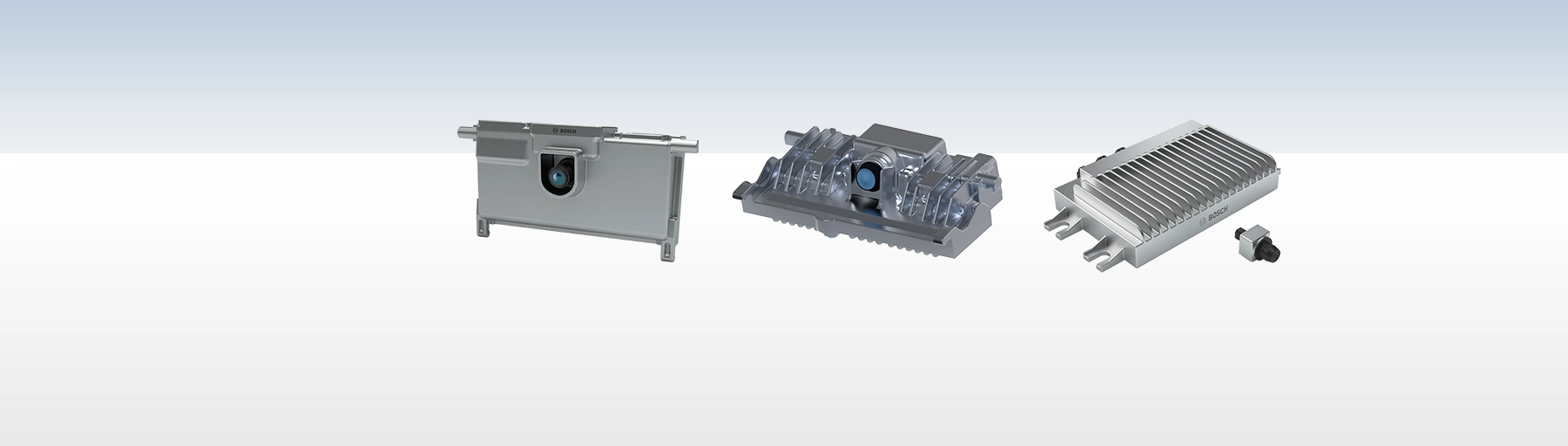
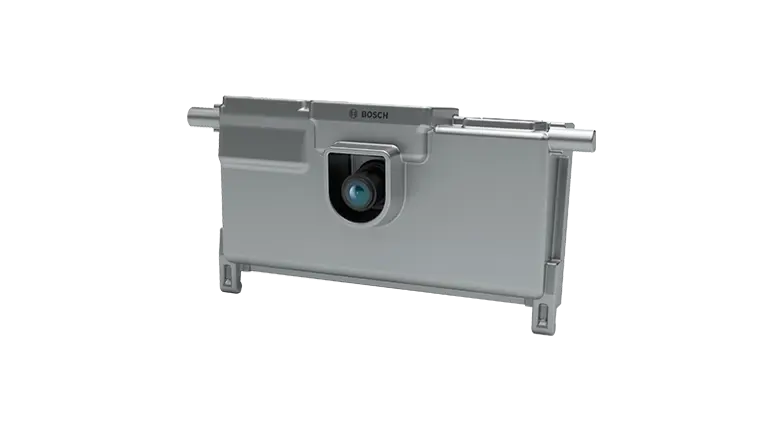
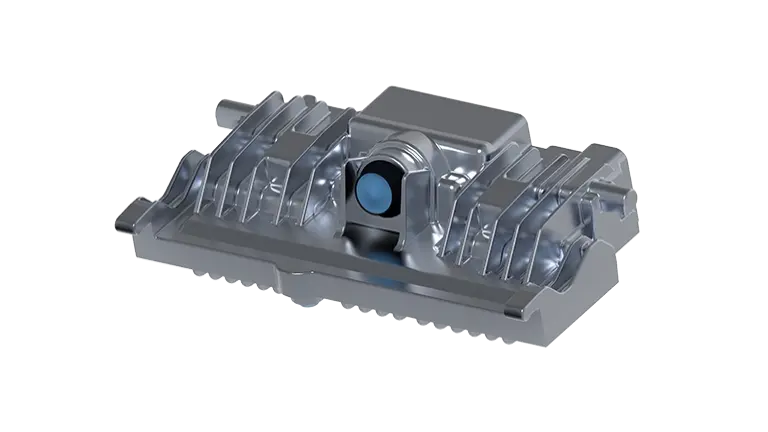
In assisted and semi-automated driving, the vehicle must reliably detect its surroundings. The Bosch multi purposecamera plays a central part in this process, as it detects and processes objects, people, and structures, and provides essential information for driver assistance systems. It uses a multipath approach in which several image-processing methods operate in parallel.
The new generation MPC4-T uses a high-performance system-on-chip with improved algorithms based on artificial intelligence. In addition to AI, it also employs traditional image-processing algorithms, for example, to detect vehicles, cyclists and road markings. This results in a more comprehensive understanding of the scene and robust object detection.
The intelligent integration of high-resolution camera images with data from up to five radar sensors provides a detailed understanding of the surrounding environment. Using optical flow and the “structure from motion”, spatial structures such as curbs, guardrails or median barriers can also be estimated from camera images. The higher resolution and AI-based image processing enable faster and more reliable object detection. This provides the foundation for safety-related features such as emergency braking assist, lane departure warning and road sign information.
Truck routes don't stop at national borders and neither does the Bosch camera. Where traditional systems reach their limits, the MPC4-T flexibly adapts to the varying demands of road traffic.
This can be illustrated with various examples, such as navigating a wide variety of road infrastructures. Whether on marked highways, unpaved roads, or routes with varying road conditions around the world, semantic segmentation enables the camera to distinguish between the roadway and the road shoulders even when lane markings are faded or weather conditions are adverse. When necessary, additional features such as line detection and light detection support the analysis of the driving situation.
Furthermore, the road sign recognition system is designed to interpret and classify country-specific signage and speed limits on the international road network. It supports international legal regulations as well as features such as lane departure warning, emergency braking, adaptive cruise control, and intelligent headlamp control. This also includes requirements such as UN R130 for the lane departure warning system. In combination with Connected Horizon, the system helps drivers and fleets comply with posted speed limits through an intelligent speed limit assist, which is mandated under the European General Safety Regulation.