Are you interested in our solutions? Then write us a message. Our sales team will be happy to help you.
empty


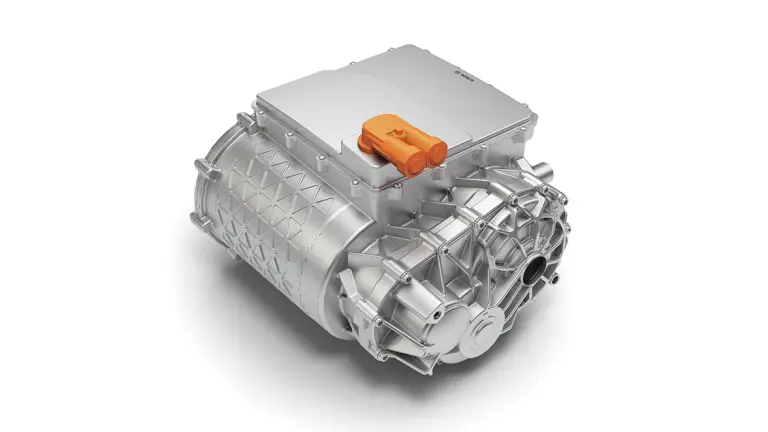
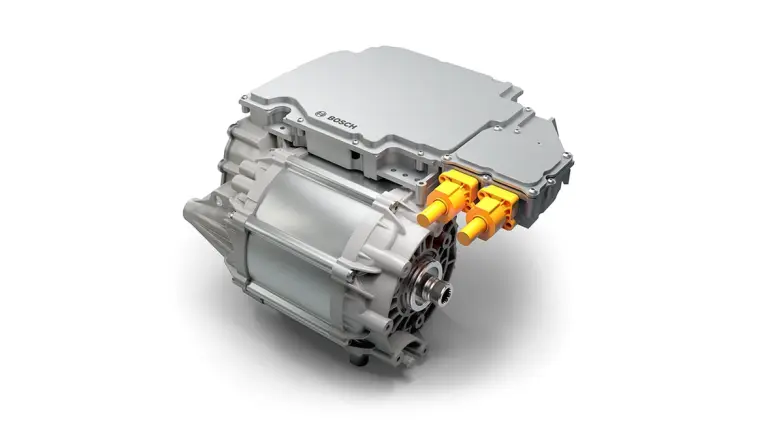
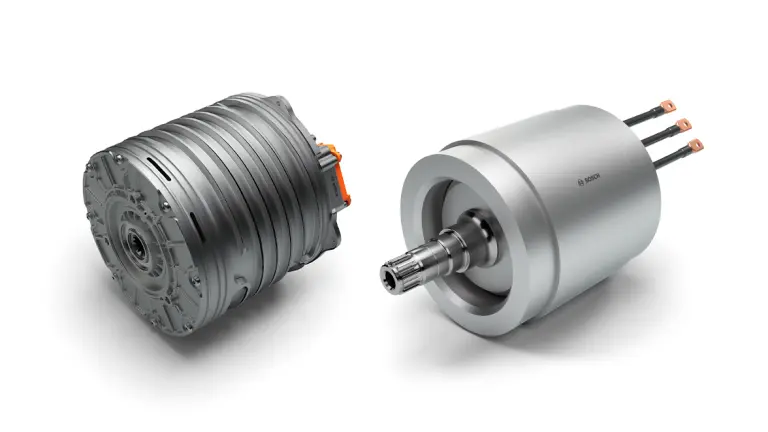
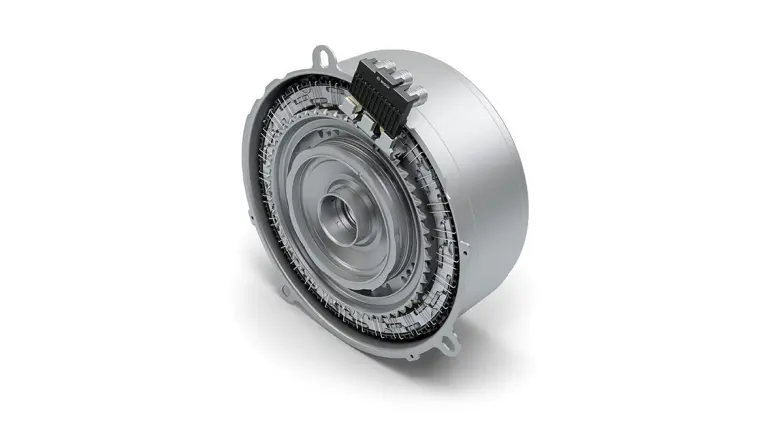
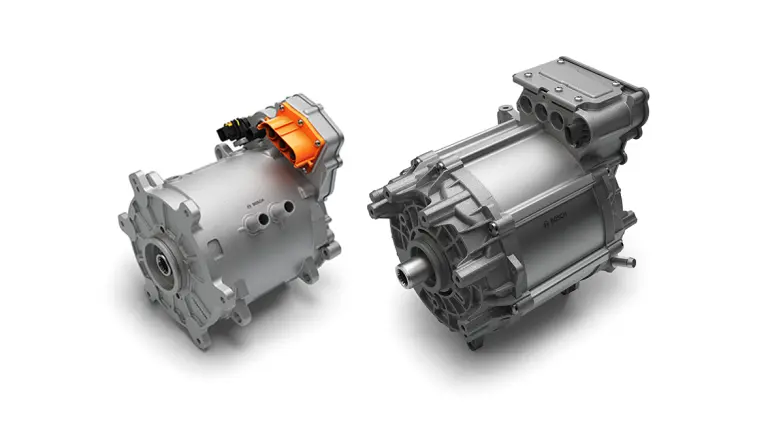
The transformation towards electromobility requires sophisticated and high-performance drive solutions. We are decisively shaping this change by developing advanced technologies for the electric drive designed for efficiency and scalability. Our portfolio ranges from individual components, such as electric motors and power electronics, to fully integrated systems for a wide variety of requirements.
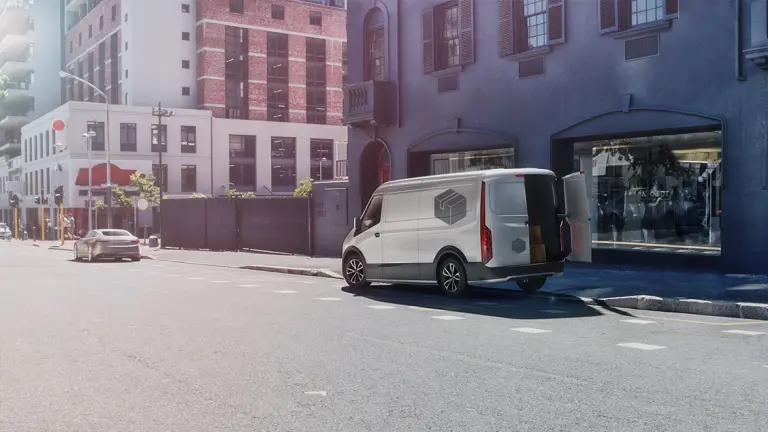
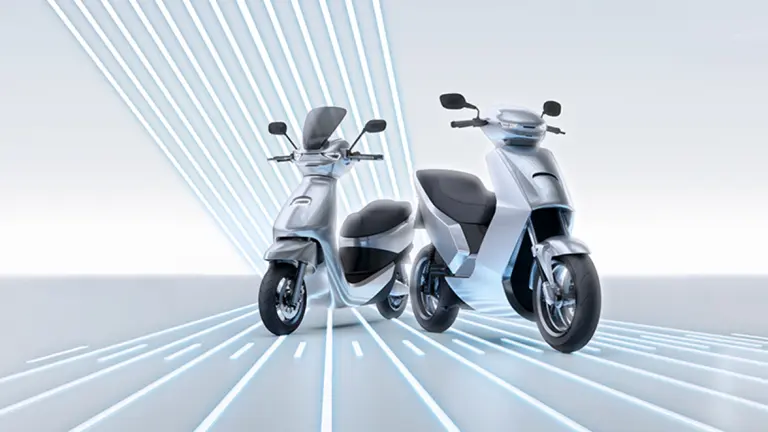
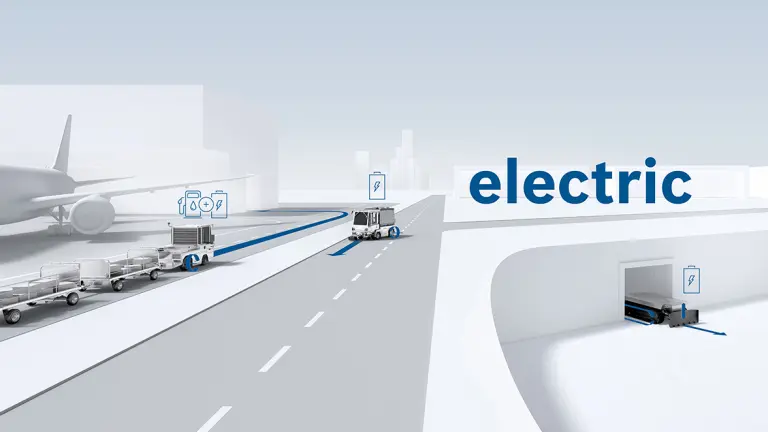
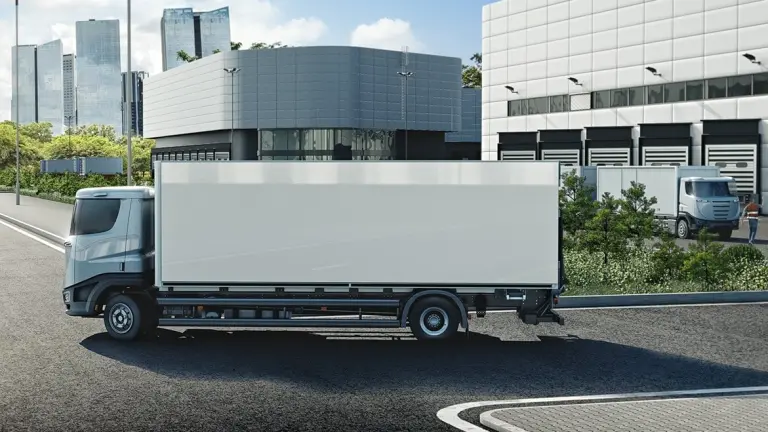
Whether for passenger cars, light and heavy commercial vehicles, off-highway applications, or two-wheelers – our systems expertise enables tailored solutions. A key element here is our innovative e-axle, which combines the motor, power electronics, and transmission in a single compact unit. This is how we support vehicle manufacturers worldwide in successfully bringing electromobility to the road.
enable efficient and dynamic driving
thanks to reduced maintenance effort
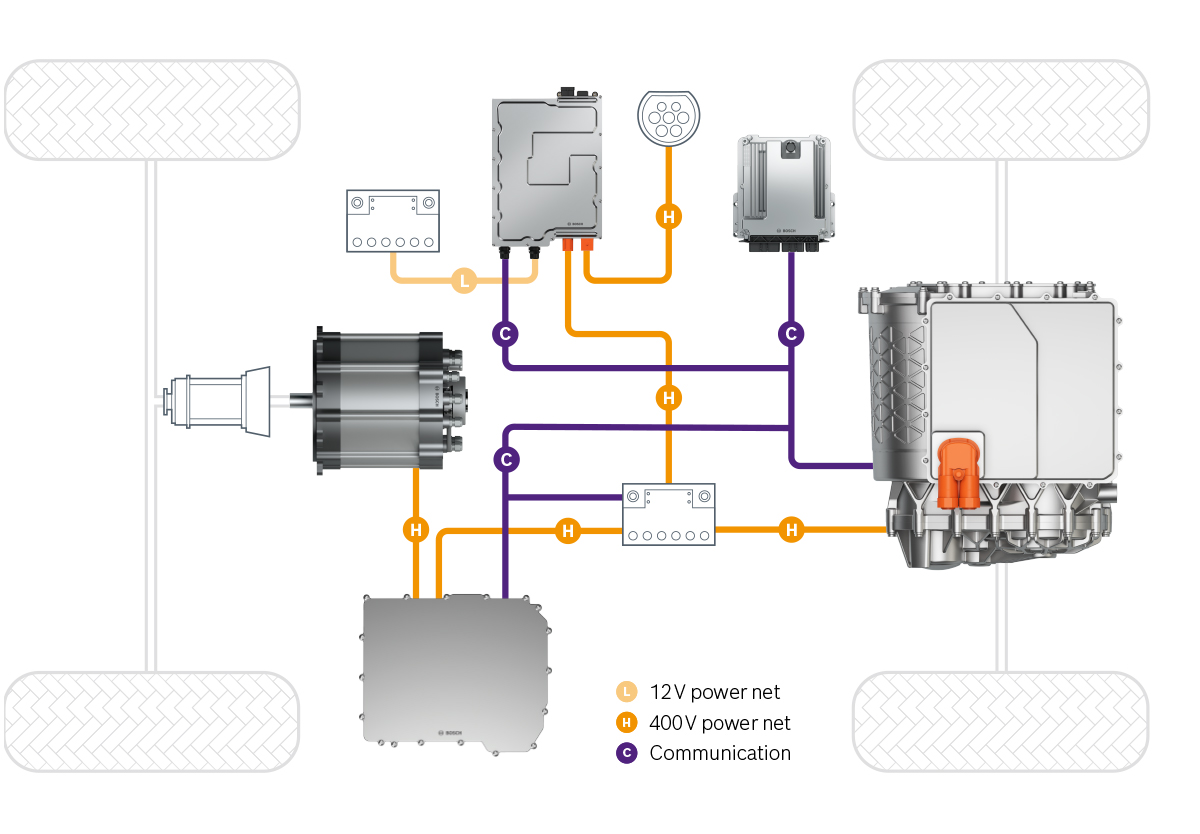
Charger-converter
Charging socket
Vehicle control unit
eAxle
Inverter
Electric motor
400 V battery
Gearbox
12 V battery
Dirk Brinkmann
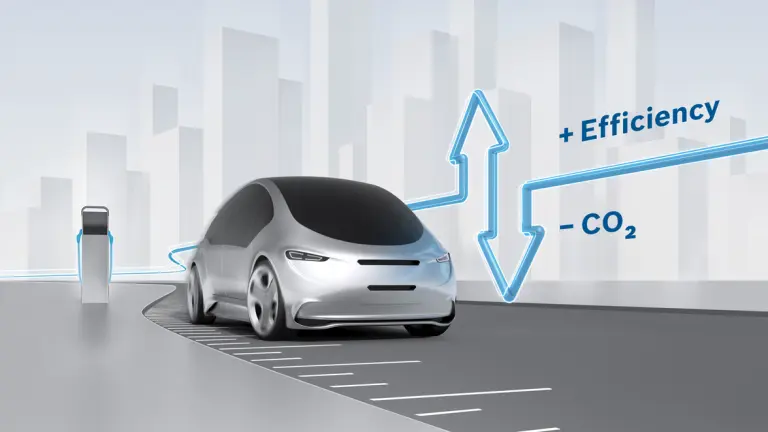
Battery-electric vehicles offer clear advantages: not only does their powertrain produce zero local emissions, it also makes a significant contribution to reducing CO2 – especially when run on renewable electricity. But that is just the beginning. Dirk Brinkmann explains which options are on offer in Bosch’s portfolio of solutions for battery-electric vehicles, which innovations will make the drive system even more efficient, and why the technology will still be playing a key role in 2030.
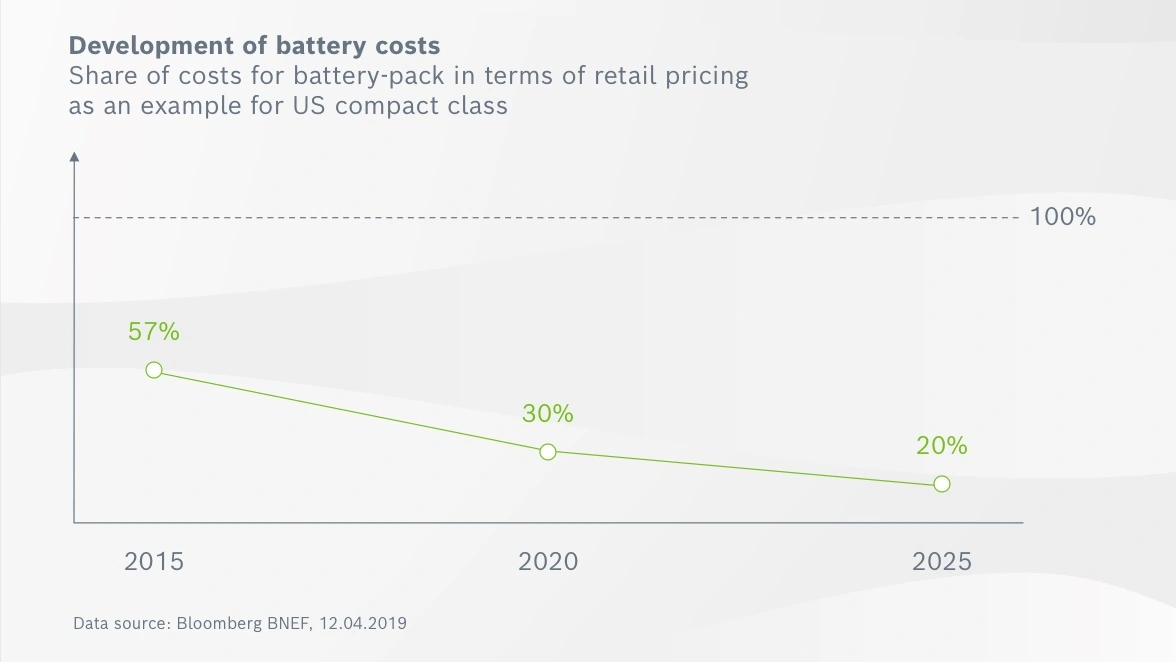
Developement of battery costs
An emerging trend that now boasts massive market growth: a modest selection of electric vehicles has turned into a portfolio of models with ranges of over 500 km. At the moment, around 30 new models are anticipated every year. Bosch estimates that a third of all newly registered passenger cars and light commercial vehicles will be powered purely by electricity in 2030. Price is a decisive factor. Taking various regional buying incentives on board, a compact-class electric vehicle can already be bought for less than comparable models running on gasoline or diesel.
Driving fun and low running costs are clearly important arguments in favor of battery-electric drive systems, yet CO2 legislation is another major force that drives the technology forward. A purely electric vehicle emits zero CO2 locally. However, full carbon neutrality is only achieved when generating the electricity does not incur excessive emissions.
As electric vehicles continue their unstoppable rise, the energy revolution has also gathered pace. This interplay is already helping to improve air quality.
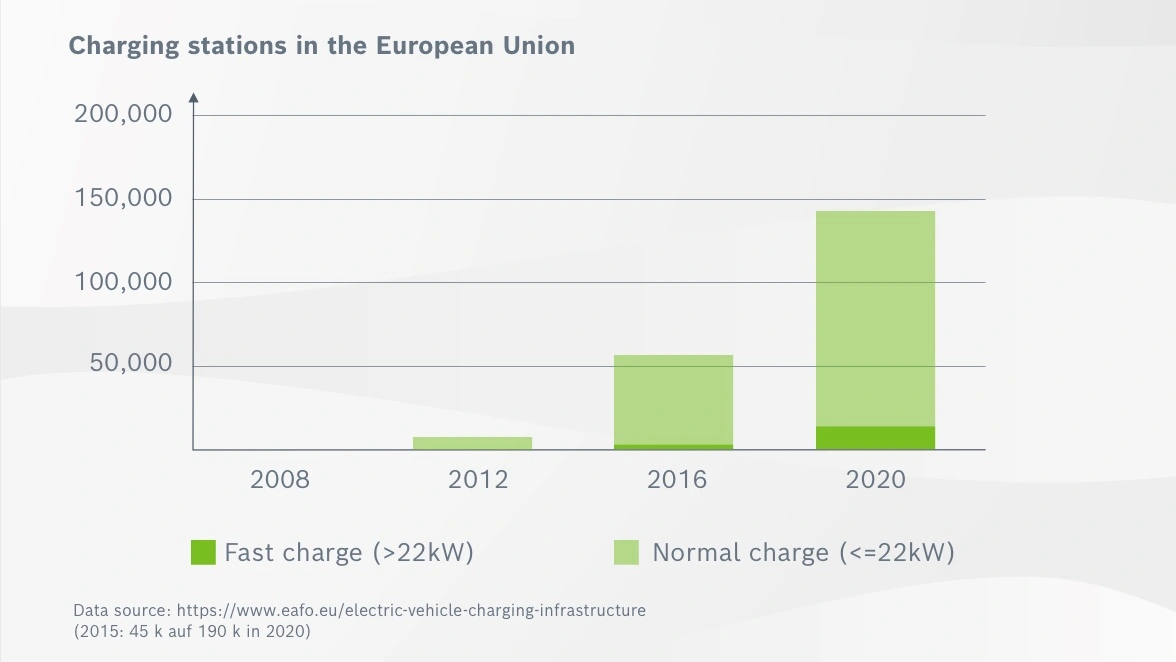
Charging stations in the European Union
A short supply of charging stations is one of the greatest challenges for battery-electric vehicles to overcome if they are to break into the mass market. Yet charging infrastructure continues to be expanded. Since 2015, the number of public charging points in Europe has more than quadrupled.
In this context, an all-covering network of AC and DC charging points for urban regions is just as necessary as the further expansion of the infrastructure on freeways and federal highways.

Are you interested in our solutions? Then write us a message. Our sales team will be happy to help you.